mindful movement
Slow Stretch Check
Practice slow stretch check through ordinary movement and comfort signals. The page uses contact, pace, and comfort signal around slow stretch as a practical takeaway, not a verdict.
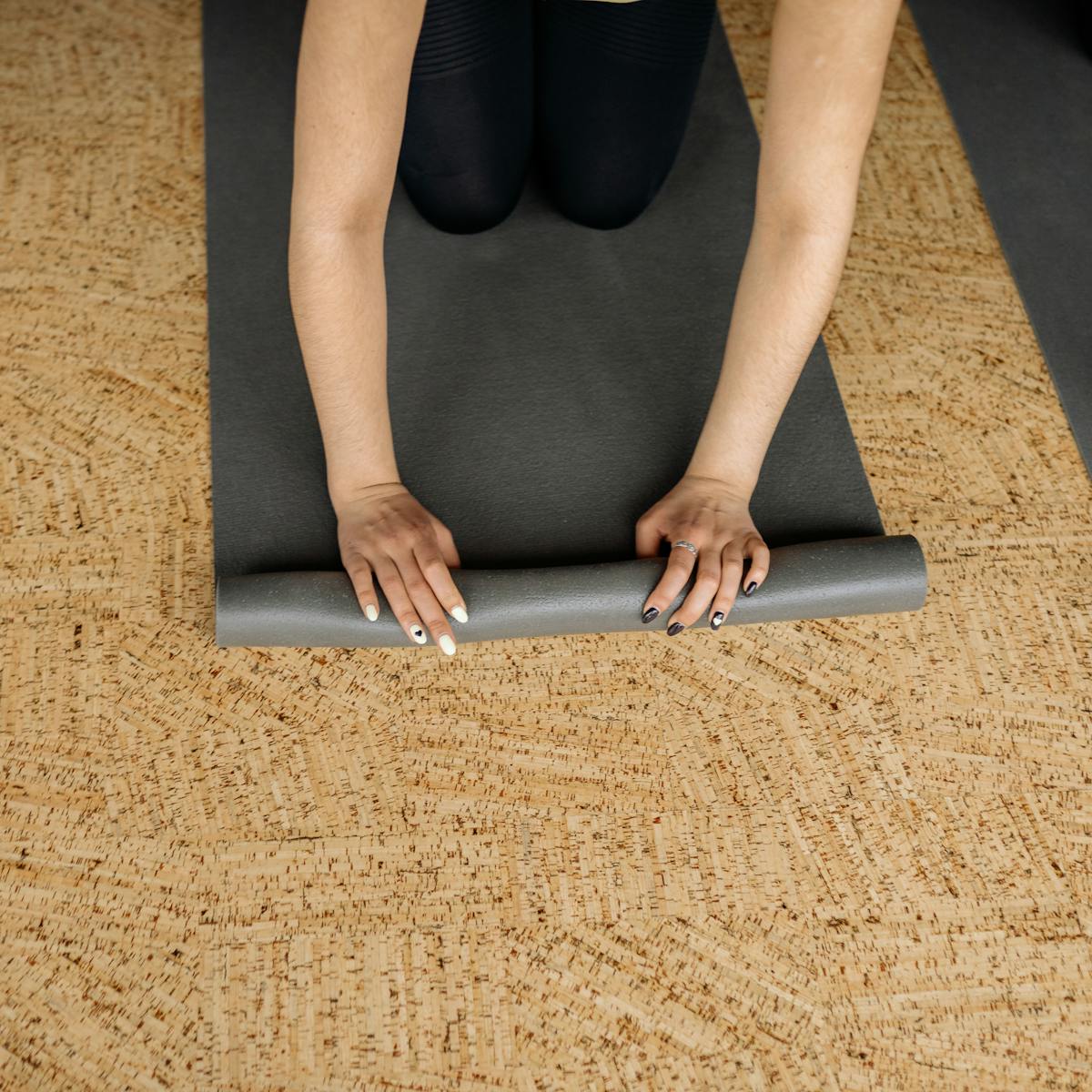
Read order
Use Slow Stretch Check for one decision, then stop or switch.
Read this if the reader wants body awareness without a workout plan or performance target. The specific doorway is slow stretch check. The page is a training page, not a general article about slow stretch check.
Make one card: where slow stretch check appeared, what it asked for, what you will do before opening another page.
Start with the assessment
Use Slow Stretch Check inside one ordinary movement moment.
The reader wants body awareness without a workout plan or performance target. The specific doorway is slow stretch check. Bring slow stretch into one ordinary movement moment, notice contact and pace, then return with one usable cue.
Use this page as one local training session: name the signal, try the smallest matching action, then close with the loop below before opening another page. Background sources shape context and boundaries; this is not personalized advice.
Pattern snapshot
Snapshot before training Slow Stretch Check
- You can talk about slow stretch check, but the next action still feels vague.
- The topic feels true in general, yet it is hard to place inside one moment.
- You keep widening the idea instead of naming the smallest usable version of it.
- The page feels meaningful while reading, but disappears when you return to the day.
The common misread is treating the first definition as the truth about the reader.
This training is working when slow stretch check becomes visible enough to guide one choice after Slow Stretch Check.
After the quiz
Move through Slow Stretch Check from cue to practice and review.
Use now: first dimension. Keep going if: clearer or smaller. Switch if: heavy or unsupported.
Define slow stretch check only far enough to make the next response clearer.
2Use the mindful walking guideUse this browser-only tool when slow stretch check needs practice instead of more reading.
3Review the resultThis training is working when slow stretch check becomes visible enough to guide one choice after Slow Stretch Check.
One practice now
One practice to try inside Slow Stretch Check
short walk: You can talk about slow stretch check, but the next action still.
This training is working when slow stretch check becomes visible enough to guide one choice after.
If slow stretch check does not become clearer, the page may still be too broad, the scene may be missing, or the next action may be too large.
Hold slow stretch check as a current situation
Define slow stretch check only far enough to make the next response clearer. Movement pages should use ordinary motion as awareness practice without turning the page into a workout plan. The page should not ask for a global judgment about the reader. It should ask for a precise working description: what is present, where it appears, what it seems to ask for, and what would count as a useful next step. That matters because slow stretch check can otherwise become a broad idea that feels important but does not change anything. A strong training unit narrows the topic until it can be used in one ordinary moment. The reader should leave this dimension with a phrase that is clear enough to guide action and modest enough to revise later. The definition is allowed to be incomplete. Its job is to create a handle, not a final explanation. Define Slow Stretch Check as one optional movement awareness practice round, not a care plan, test, or performance task.
short walk: You can talk about slow stretch check, but the next action still.
Try one body-aware pass for slow stretch check: where the body touches the ground, what pace feels workable, and what action follows after movement.
The common misread is treating the first definition as the truth about the reader.
Signals that make this step relevant
- You can talk about slow stretch check, but the next action still feels vague.
- The topic feels true in general, yet it is hard to place inside one moment.
- You keep widening the idea instead of naming the smallest usable version of it.
Why this step belongs here
A broad topic keeps attention busy without giving it a landing place. Movement makes attention visible because the reader can notice contact, pace, and effort while staying in an ordinary task. Naming a small working definition reduces that load because it turns the page into a decision aid. The reader no longer has to solve the whole pattern. They only have to describe the current doorway and decide what the doorway asks for next. This protects the practice from becoming a label, a performance test, or a long private debate. CDC: bounded public role.
Practice this once
Write one sentence that begins, 'In this moment, slow stretch check means...' Then add one place where it appears and one thing it changes. If the sentence could fit many different pages, make it more concrete by adding a setting, a time of day, a person, or a task. The observation is ready when it points to a next move.
Try one body-aware pass for slow stretch check: where the body touches the ground, what pace feels workable, and what action follows after movement. Add why this wording matters in the current body-aware movement route and one sign it is still too broad. If it could fit several pages, add a place, time, cue, or person.
How to judge the result
The common misread is treating the first definition as the truth about the reader. A working definition is temporary. It should be updated when the setting, energy, information, or support route changes. If the wording starts to sound like a fixed identity, replace it with a situational phrase and one small action that can be tested today.
Use the scene to keep slow stretch check honest
This dimension keeps slow stretch check attached to time, setting, and demand. For movement work, the scene includes contact, pace, balance, surroundings, and comfort while doing a normal activity. A scene includes time, setting, demand, body cue, emotional tone, and what the reader did next. This is where the page becomes different from a short SEO article. The topic has to touch a recognizable moment: before a reply, after a meeting, while opening a notebook, during a walk, when the reader notices resistance, or when another person should be involved. Placing the topic in a scene prevents vague self-improvement language. It also reveals whether the training should be about naming, pacing, writing, movement, breath, support, or a boundary. The reader is not trying to recreate every detail. They are choosing enough context to make the next step honest. Use one small stretch and the decision to stop early as the main cue while keeping attention return gentle and unscored.
body cue: You can name the theme but not the moment where it should.
Use a real movement moment for slow stretch check: where the body was, what pace it used, and what cue changed the next step.
The common misread is turning scene mapping into blame.
Where the pattern usually shows up
- The page feels meaningful while reading, but disappears when you return to the day.
- You can name the theme but not the moment where it should be practiced.
- The same pattern returns because the scene around slow stretch check has not been mapped.
What keeps the pattern moving
Context changes the meaning of a practice. A step that fits a quiet evening may not fit a crowded workday. A reflection that helps after rest may loop when the reader is depleted. The same practice can help in one setting and become too large in another, so context keeps the advice from becoming automatic. By placing slow stretch check inside a scene, the reader can match the action to conditions rather than forcing one universal answer. That match is what makes the page usable. Greater Good Science Center: bounded public role.
Use a small training round
Use four scene markers: before, during, after, and later. Before names the condition that led into the moment. During names where slow stretch check became visible. After names the first response. Later names whether the pattern settled, stayed, or returned. If one marker is missing, leave it blank instead of inventing detail. Add one concrete detail to the strongest marker, such as the room, message, task, request, transition, or time pressure. That detail keeps the scene grounded enough to guide the next response.
Use a real movement moment for slow stretch check: where the body was, what pace it used, and what cue changed the next step. Keep the scene grounded in contact and direction, not a performance goal. Choose one nearby repeat and write when it may appear again. If it is unlikely or too loaded, move to support or a lower-pressure route instead of forcing practice.
Watch for the easy misread
The common misread is turning scene mapping into blame. The scene is not proof that someone is wrong. It is a map of conditions. Conditions can be prepared for, changed, or supported more easily than a vague story about the self.
Test slow stretch check with one clear rule
The practice version of slow stretch check should be smaller than the reader's whole concern. For slow stretch check, the constraint should define the amount of time, the size of the action, the language boundary, or the support route. The practice should create one piece of evidence: a sentence, a cue, a route choice, or a next action the reader can actually use. A constraint is not a punishment and not a productivity trick. It gives the reader a container. When the container is clear, the reader can try the practice without turning it into a new project. This is especially important in a large practice library: each page should teach a different use of attention, not simply invite more reading. The practice should be specific enough to test today and gentle enough that the reader can stop when the page stops helping. Name the ordinary scene: a low-intensity moment when movement feels available, so the page does not read like a generic meditation lesson.
short walk: You need a limit around slow stretch check before the page can.
Limit slow stretch check to one movement cue.
The common misread is thinking a constraint makes the practice shallow.
Clues to look for first
- You keep extending the practice because there is no finish line.
- The next step sounds useful but is too large to start today.
- You need a limit around slow stretch check before the page can become practical.
Why the clue matters
Constraints make self-awareness observable. Without a constraint, the reader can always keep preparing, reading, naming, or refining. With a constraint, the practice either changes something or shows what is missing. A small movement cue keeps the practice in the range of ordinary comfort instead of turning it into performance. That feedback is more useful than another broad explanation. It helps the reader decide whether to continue, shrink the task, change route, or involve another person.
Try the bounded version
Pick one constraint before beginning: two minutes, one sentence, one question, one body cue, one boundary line, one scene, or one support contact. Write the constraint at the top of the page or say it out loud. If the practice keeps expanding, return to the written constraint and close the round. Notice what tried to expand first: explanation, planning, reassurance, comparison, or another page. That tells you what the constraint is protecting.
Limit slow stretch check to one movement cue. Notice contact, pace, or surroundings once, then return to ordinary movement with one observation. Before starting, decide what ending looks like: a sentence, cue, route choice, or support question. Stop when it appears; the unfinished part belongs in review, not expansion. Keep the result visible enough to explain to someone else.
Decide what the step proves
The common misread is thinking a constraint makes the practice shallow. A constraint often makes the practice more honest. It reveals what can actually be done now and what fits a later conversation, a different setting, or a support route.
Check whether slow stretch check needs a different route
Use this final pass to avoid repeating slow stretch check without learning from it. After the reader defines the issue, places it in a scene, and practices with a constraint, the page should ask what changed. Change does not have to mean the whole situation is resolved. It may mean the reader has a clearer word, a smaller next action, a better time boundary, a body cue, a writing line, a support route, or evidence that the practice is not the right container today. The review is not a score. It is a short comparison between the starting question and the next usable choice. This review prevents the page from becoming passive content. It asks the reader to compare before and after in a practical way. If nothing changed, that is useful information too. It means the page needs to shrink the next action, change the route, or stop asking the reader to handle the moment privately. Add the stop rule: stop or switch route when stretching creates pain, strain, dizziness, fear, or pressure to push range.
body cue: You finish reading but cannot say what changed after using slow stretch.
End slow stretch check with one movement takeaway and one condition for trying it again.
The common misread is treating no improvement as personal failure.
When this dimension is the main issue
- You finish reading but cannot say what changed after using slow stretch check.
- You judge the whole practice by whether the larger issue disappeared.
- You repeat the same page route without learning what it does or does not help with.
What the page is separating
Review creates evidence. Reflection predicts what might help; action and review show what actually shifted. Review keeps the page honest because it separates insight that changes behavior from insight that only creates more reading. A short review also protects the reader from overprocessing. It gives the page a finish line: what improved, what stayed unclear, what next route fits, and whether support should come before more private practice. The review is especially useful when the reader expected a bigger change, because it can still identify a smaller change that is worth keeping.
Run the next small action
Answer four lines: what became clearer, what stayed unresolved, what I will try next, and what would tell me this page is not enough. Keep each line concrete. If the review becomes a judgment about the reader, return to observable details such as wording, timing, action size, body cue, or support route. A useful answer should point to something visible enough that another person could understand the next step.
End slow stretch check with one movement takeaway and one condition for trying it again. If the cue added pressure, switch routes instead of repeating. If the review has no clear movement, treat that as routing evidence. Choose a smaller action, different tool, or real-person support step, then close the loop. Keep the result visible enough to explain to someone else.
Keep the meaning modest
The common misread is treating no improvement as personal failure. No improvement may simply mean the page was the wrong size, the scene needed another person, or the next step was not concrete enough. That is routing information.
Anchor slow stretch check in the next repeat
The most useful ending gives slow stretch check a future scene. Name the cue, setting, and reason this handoff fits, so the reader can recognize the moment without inventing a routine. A polished guide should not end while the reader is still inside the article. It should prepare a tiny transfer: the next message, walk, notebook line, breath round, body cue, support check, or conversation where the idea becomes visible. For movement work, the scene includes contact, pace, balance, surroundings, and comfort while doing a normal activity. The transfer matters because a page can feel clear in isolation and then disappear when time pressure, fatigue, other people, or routine returns. The reader does not need a dramatic change. They need one recognizable cue that tells them where to use the page again. That cue keeps the training positive without pretending the whole pattern is solved. Close with movement after sitting, shoulder check, or a seated awareness route instead of promising calm, focus, sleep, relief, or improvement.
short walk: The next ordinary moment is likely to repeat, yet no cue has.
Before leaving the page, set one transfer cue.
The common misread is thinking transfer means making a full plan.
Evidence inside the moment
- The page makes sense, but slow stretch check has no place to go after reading.
- The next ordinary moment is likely to repeat, yet no cue has been chosen for it.
- The insight feels good on the page but does not change the next response.
Why the evidence changes the next step
Transfer works because it connects the training to a future cue before attention moves on. The same practice can help in one setting and become too large in another, so context keeps the advice from becoming automatic. A future cue can be a time of day, a recurring request, a body signal, a written prompt, or the moment another person should be involved. Naming it ahead of time reduces the chance that the reader will treat reading itself as the result. The guide becomes a bridge into ordinary behavior rather than a private loop.
Turn it into one action
Choose the next likely repeat of the moment. Write it as, 'The next place I may meet slow stretch check is [scene].' Add one cue that will remind you to use the page: a phrase, a time, a room, a note, a route link, or a body signal. If no repeat is visible, choose the next twenty-four-hour window and name what would make the topic visible there.
Before leaving the page, set one transfer cue. It can be as small as saving a sentence in a notebook, opening use the mindful walking guide, or choosing Commute Walking Practice only after the next real scene appears. Keep the transfer small enough that it can happen without a special setup. Then stop reading long enough to let the cue meet the day.
Name what not to over-read
The common misread is thinking transfer means making a full plan. It does not. A transfer cue is only a bridge from page to life. If it becomes a schedule, a promise, or a self-improvement project, shrink it back to one visible cue and one next ordinary moment.
Close the loop
Check whether Slow Stretch Check changed the way the body cue is used.
Recap before another page: what changed, what did not change, and the next step.
Expected improvement
This training is working when slow stretch check becomes visible enough to guide one choice after Slow Stretch Check. In this body-aware movement route, improvement means a clearer working definition, a mapped scene, one constrained practice, and a review that points to a next step. It should feel more usable, not heavier.
If nothing improves
If slow stretch check does not become clearer, the page may still be too broad, the scene may be missing, or the next action may be too large. Return to one sentence and one constraint. If the topic keeps narrowing the reader's options, use a trusted person or support route before more private practice.
Next recommendation
The next route depends on what the review reveals. If the issue is context, use Body Cues After Scrolling. If the issue is practice, use Use the mindful walking guide. If the issue is continuation, use Commute Walking Practice. If the issue is not workable alone, use the support checklist.
Support boundary
This page is educational and cannot provide live support. Stop if the practice makes the situation feel less manageable, if another person is directly affected, or if consequences are bigger than a private exercise. Choose a trusted person, local service, qualified professional, or real-time support option when needed. This route keeps slow stretch check inside reader observation, a small practice, a stop rule, and a local next route.